


1. The Logistics Chain: How Quality Degrades from Factory to Dealership
When a buyer signs a booking form for a brand-new vehicle, they are buying an idealized image: a machine built in a sterile, multi-billion-dollar factory where robotic arms apply paint with micron-level precision and computerized torque wrenches secure bolts to exact tolerances. The customer assumes that because the vehicle has traveled only a few kilometers from the factory, it must be in pristine, flawless condition.
However, the physical reality of how passenger vehicles move from the assembly line to the showroom is full of risk. Once a car passes its final factory quality gate, it enters a long, multi-layered logistical chain. This chain includes highway transport on multi-deck open car carriers, storage in regional depots, and long stays in open-air dealer stockyards.
During this transit and storage period, the vehicle is handled by multiple transport workers, exposed to harsh weather, and subjected to rough roads. A vehicle is made of roughly 30,000 parts. It goes through high-stress transport and sits for weeks in unpaved yards, making it highly vulnerable to deterioration. In my experience as a mechanical engineer conducting vehicle audits, I have found that "factory-fresh" is often a marketing myth. Pre-Delivery Inspections (PDI) frequently reveal hidden flaws, transit damage, and storage defects that buyers should know about before accepting a car.
In India, the moment road tax is paid and a registration number is generated in the government VAHAN database, the vehicle’s 17-digit Chassis Number (VIN) is permanently locked to your name. The dealer will not swap a registered vehicle, regardless of the defects discovered later. A PDI is your only way to catch problems before signing the registration forms.
2. Transit Damage & Hidden Aftermarket Repaint Patches
The journey from manufacturing plants in hubs like Chennai, Pune, or Gurugram to local dealerships involves transport on large car carriers. These vehicles must navigate rough national highways, tight toll plazas, and steep loading and unloading ramps.
During loading and unloading, cars are parked close together on metal decks. Drivers must climb out of tight door openings, which often leads to seatbelt buckles scratching the exterior paint, watches scratching side-mirror covers, or boots scuffing interior plastic panels. Additionally, open carriers offer no protection against flying highway gravel, which can cause stone chips on the hood, fenders, and windshield.
The Physics of Manual Repainting vs. Robotic Coatings
When a vehicle is damaged during transit, dealerships rarely write off the car or notify the customer. Instead, the vehicle is sent to the dealer’s internal body shop, where technicians pull out dents, apply polyester body filler (putty), and respray the damaged panel.
These touch-ups look clean under the soft lighting of a showroom, but they cannot hide from a digital paint thickness gauge. Factory paint is applied in a dust-free cleanroom using electrostatic robotic sprayers, which apply a very thin, uniform paint layer:
- Japanese & Korean Brands (Maruti Suzuki, Hyundai, Kia, Honda): 80 to 110 microns.
- Indian Brands (Tata, Mahindra): 95 to 130 microns.
- European Brands (Volkswagen, Skoda, Jeep): 110 to 150 microns.
In contrast, manual respraying at a dealership is done by hand in a standard workshop. Because manual spray guns apply paint unevenly and require thick layers of primer and body filler to hide dents, a repainted panel typically reads between 200 to 450+ microns on a paint depth meter.
These thick manual paint layers do not bond as well to the metal substrate as factory paint. Within 12 to 24 months of exposure to UV rays and heat, the aftermarket clear coat will begin to peel, cloud, or crack.
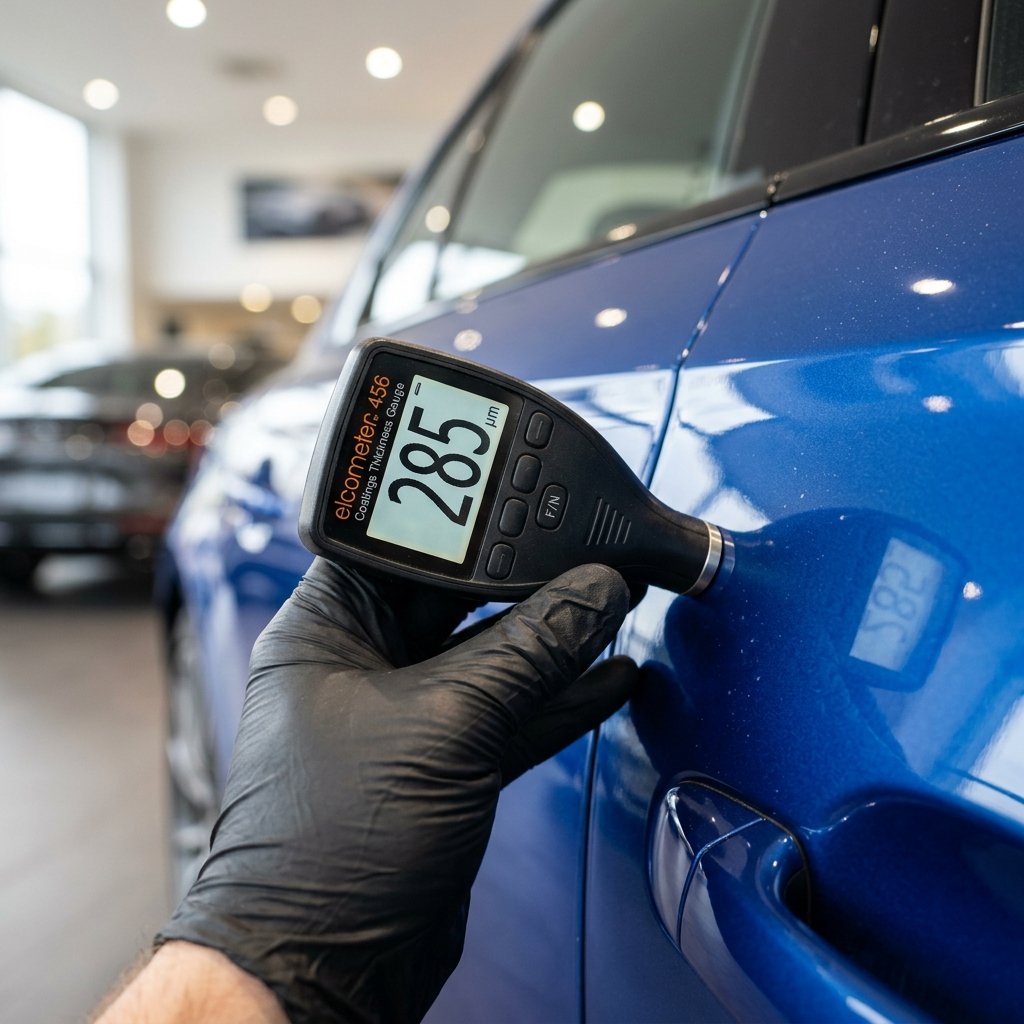
Figure 2: Digital Paint Depth Meter Showing Repaint Micron Levels
Comparison showing a factory-perfect fender panel reading 92 microns next to a repainted passenger door panel reading 285 microns on a digital paint depth gauge.
3. Stockyard Battery Cell Degradation & Lead Sulfation
Dealership stockyards are usually unpaved, dusty industrial plots located on the outskirts of cities. Vehicles can sit in these yards for weeks or months before being allocated to a customer. During this time, they are exposed to extreme heat and rain.
A modern passenger car is a complex electronic system. Even when the engine is off, electronic control units (ECUs), keyless entry modules, security systems, and telematics units draw a constant parasitic current of 30 to 50 milliamperes from the battery.
If a car sits in a yard for 60 to 90 days without being driven, the battery drains into a deep discharge state (dropping below 11.5 volts).
The Chemistry of Lead Sulfation
When a lead-acid battery sits in a deeply discharged state, a chemical process called lead sulfation occurs. The sulfuric acid electrolyte reacts with the active lead plates, forming lead sulfate crystals. If the battery is not recharged quickly, these crystals grow and harden, creating a physical barrier on the plates.
This barrier permanently reduces the battery's chemical capacity and its ability to hold a charge. To prepare the car for delivery, the dealership simply jump-starts the vehicle or runs it on a quick-charger for an hour. The engine starts, and the battery seems fine on delivery day. However, the battery's service life has been cut by 50% or more, and it is likely to fail within the first year of ownership.
| Vehicle Brand Category | Standard Factory Paint Thickness (µm) | Typical Respray Threshold Flag (µm) | Clear Coat Quality Risk Post-Delivery |
|---|---|---|---|
| Japanese / Korean (Maruti, Hyundai, Honda, Kia) | 80 - 110 µm | > 170 µm | High risk of peeling and color fading due to thin factory base coats. |
| Indian (Tata, Mahindra) | 95 - 130 µm | > 200 µm | Vulnerable to orange-peel mismatch and paint sagging at panel edges. |
| European / German (VW, Skoda, Jeep) | 110 - 150 µm | > 230 µm | Clear coat clouding and bubbling under intense sunlight exposure. |
4. Missing Engine Underbody Splash Shield Fasteners
Automotive assembly lines move quickly. On modern production lines, workers have less than 60 seconds to complete their tasks on each vehicle. This fast pace can lead to human error, such as forgetting to install minor components.
One common factory assembly error is missing plastic push-lock fasteners or metal screw clips on the engine underbody splash shield (the undercover designed to protect the engine oil sump, transmission casing, and AC lines from water and debris).
If a vehicle is delivered with three or four missing fasteners, the splash shield will hang loose. Under normal city driving, the shield may hold in place. However, at highway speeds, the aerodynamic air pressure under the car can push the sagging shield down.
This causes the plastic cover to drag along the road, where it can catch on speed bumps or potholes. If the shield tears off, it can damage surrounding components like the oxygen sensors, ABS wiring looms, or AC lines.
If this happens after delivery, dealerships will often blame the driver and refuse to cover the repairs under warranty, claiming it was caused by road impact.
5. Loose Sub-Frame and Suspension Control Arm Bolts
Automotive structural components are secured using high-torque pneumatic or electric torque guns that log torque data back to the factory’s central servers. However, calibration drift or incorrect positioning of the torque tool can occasionally result under-torqued bolts.
During several independent PDIs, I have found loose sub-frame mounting bolts and loose front control arm fasteners. The sub-frame is the structural cradle that holds the engine, transmission, and front suspension system, anchoring them to the monocoque chassis.
A loose sub-frame bolt can cause several issues:
- Clunking Noises: A metallic clunking sound when braking, accelerating, or driving over speed bumps.
- Wheel Misalignment: The sub-frame shifts slightly, causing uneven tire wear and steering pull.
- Safety Hazard: Over time, engine vibrations can back the loose bolt out completely, putting extra stress on the remaining mounts and creating a safety risk at highway speeds.
6. Soy-Based Wire Insulation & Rodent Damage in Stockyards
In an effort to make vehicles more environmentally friendly, automotive manufacturers have shifted from traditional petroleum-based plastic wiring insulation to biodegradable, soy-based insulation.
While this reduces plastic waste, it has created a major problem in storage yards. Soy-based wire insulation smells and tastes like food to rodents. Because dealer stockyards are often dusty, grassy plots located near fields, they are frequently home to rats and field mice.
Rats will climb into warm engine bays to nest and chew on the soy-insulated wiring looms. They often target the wiring for headlights, fuel injectors, ABS speed sensors, and the main CAN-bus network lines.
Chewed wiring can cause immediate electronic faults or lead to intermittent issues that are difficult to diagnose, such as random dashboard warning lights or parasitic battery drain. If rodent damage is found after delivery, dealerships will refuse warranty coverage, leaving the owner to pay for rewiring out-of-pocket or file an insurance claim, which forfeits their No Claim Bonus (NCB).
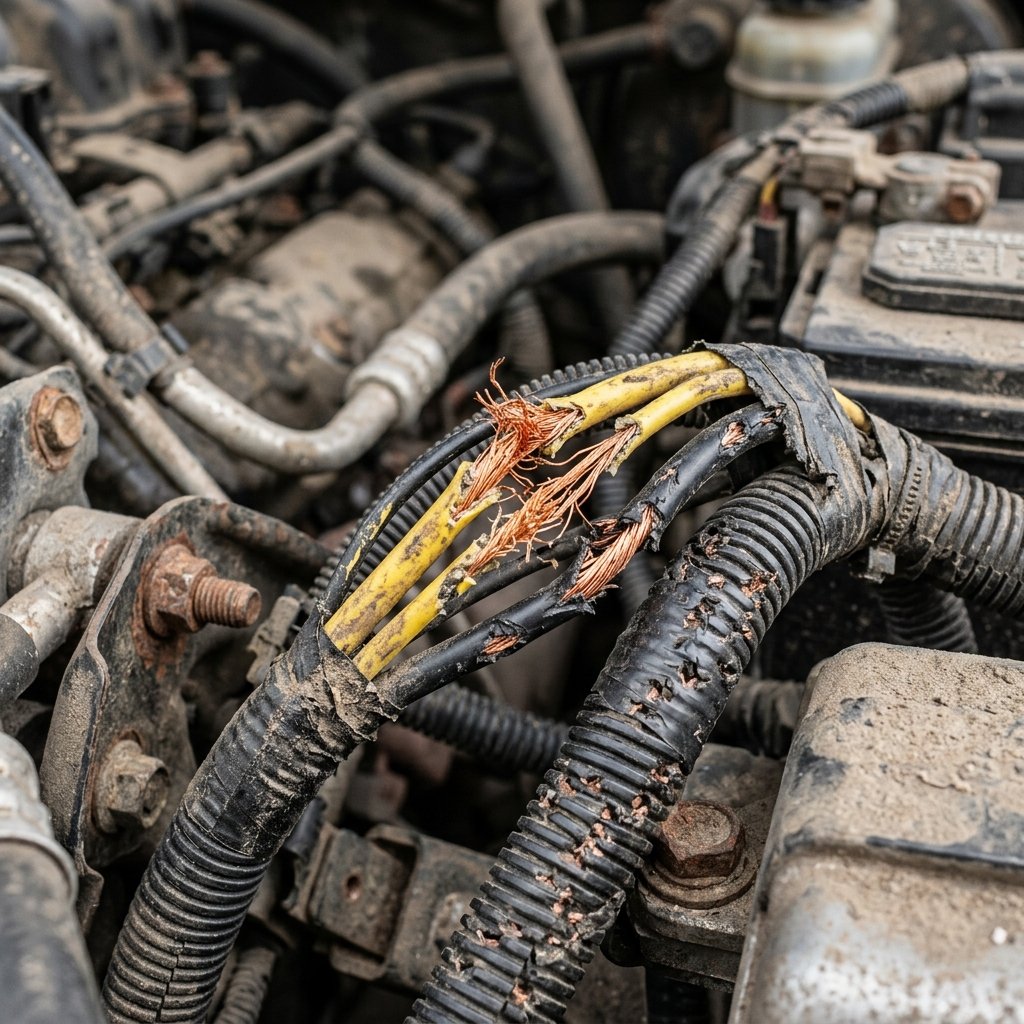
Figure 3: Rodent Damage on Main Engine Wiring Harness
Close-up view of soy-based wiring insulation chewed away by rodents in a stockyard, exposing raw copper wire strands and risking electrical shorts.
7. Hidden Mechanical Failures & Factory Assembly Oversights
Aside from transit and yard damage, manufacturing defects can also slip past factory quality checks. Here are four common issues discovered during independent pre-delivery audits:
A. Under-Charged AC Refrigerant & Bent Condenser Fins
The air conditioning system requires a precise weight of refrigerant gas (R134a or R1234yf) and compressor oil to run efficiently. Factory filling machines can suffer from calibration drift, or a slow leak can develop in the system joints, resulting in under-charged refrigerant.
Additionally, flying road debris during transit can bend the thin aluminum fins of the AC condenser, which is located behind the front grille. This reduces the system's cooling efficiency and forces the compressor to run longer and hotter, leading to premature failure.
B. Tire Flat-Spotting & Wheel Rim Runout
When a vehicle sits parked in one spot for several months, the weight of the car deforms the rubber compound in the tire tread patch touching the ground. This creates a temporary or permanent flat spot on the tire.
Additionally, transit workers may over-tighten the tie-down straps on the car carrier, bending the alloy wheel rims. These issues can cause highway cabin vibrations and steering wheel wobble that wheel balancing cannot fix.
C. Paint Runs, Sags & Buffing Marks
If a robotic paint sprayer spits or applies too much paint, it can create "paint runs" or "sags" along the bottom of doors and the tailgate. When dealership detailers spot these runs, they often try to buff them out quickly.
This aggressive polishing can burn through the thin clear coat layer (known as clear-coat strike-through). This leaves the paint flat and unprotected against UV rays, leading to early fading and peeling.
D. Fluid Seepage from Gaskets & Seals
Automotive gaskets (oil pan, timing cover, transmission tail-shaft seals) must seal perfectly under pressure. Incorrect gasket alignment or uneven bolt torque at the factory can lead to oil or fluid weeping.
Even minor fluid weeping is a sign of assembly issues that can worsen over time, leading to oil stains on your driveway or low fluid levels in key components.
8. Comparison Table: 10 Real Problems, Affected Models & Dealer Corrections
The table below lists 10 real defects found during independent PDI audits, showing the root causes, common vehicle classes affected, detection methods, and how dealers should correct them before registration:
| Defect Identified | Root Cause / Source | Common Affected Class | Diagnostic Instrument / Method | Required Dealer Correction (Pre-Registration) |
|---|---|---|---|---|
| 1. Door/Fender Repaint Patches | Transit scrapes repaired in dealer workshop. | Mid-size Sedans & SUVs | Digital Coating Thickness Gauge (Micron levels >180) | Reject the chassis number (VIN) or negotiate a paint correction and cash discount. |
| 2. Deep Battery Cell Sulfation | Parasitic discharge during long yard storage. | Feature-heavy Connected SUVs | Digital Battery Load Tester (Cold Cranking Amps measurement) | Replace the battery with a brand-new unit; check charge logs. |
| 3. Missing Undercover Screws | Assembly line workers missing fasteners. | Premium Hatchbacks & compact Sedans | Creeper board visual underbody inspection | Install missing plastic push-clips and metal fasteners. |
| 4. Loose Sub-Frame Mountings | Incorrect torque gun calibration at the factory. | Compact and Mid-size SUVs | Manual torque check of structural mountings | Tighten to factory torque specifications. |
| 5. Chewed Wiring Insulation | Rodents attracted to soy-based insulation wraps in yards. | All vehicles parked in grassy depots | High-intensity LED inspection of wiring runs | Reject the chassis number (do not accept spliced wiring patches). |
| 6. Under-Charged AC Gas | Slow valve leak or assembly plant calibration error. | Entry-level Hatchbacks | Manifold gauge pressure check / Vent temp measurement | Evacuate system, perform vacuum test, and refill to exact gas weight. |
| 7. Bent Alloy Wheel Rims | Over-tightened transporter tie-down straps. | Vehicles with low-profile tires | Dial indicator runout gauge check | Replace the bent alloy wheel with a new unit from stock. |
| 8. Clear Coat Strike-Through | Excessive dealer buffing to hide paint runs. | Premium dark-colored SUVs | Visual check under LED panel lights / thin paint reading | Reject the panel or demand proper paint prep and spray. |
| 9. Fluid Seepage from Oil Pan | Improperly cured or aligned engine silicone sealant. | Turbocharged Petrol Cars | Undercarriage visual check of engine seals | Reseal the oil pan gasket, flush engine oil, and check for leaks. |
| 10. Binding Window Regulators | Water ingress in yard damaging window cables. | Premium Sedans with large window glass | Cycle window switches multiple times to check resistance | Replace the window regulator motor and grease the tracks. |
9. Real-World Case Study: Pre-Registration Adjustments Made After Audit
To see how these issues affect new car buyers, let's look at a case study from an audit conducted on a brand-new vehicle in Vadodara, Gujarat.
Case Study: 2024 Tata Nexon CNG Audit
Resolved Pre-RegistrationDealer Open-Air Holding Depot, Vadodara, Gujarat
24 km (Within normal factory movement limits)
1. Paint Deviation: The rear tailgate panel read 265 microns, while the rest of the car averaged 105 microns. A physical check revealed paint runs along the lower lip, indicating a dealer respray.
2. Underbody Fasteners: Two missing plastic fasteners on the rear suspension splash shield.
3. Loose Sub-frame: One of the front engine sub-frame bolts was under-torqued and could be turned easily with a hand wrench.
When shown our report, the dealer admitted that a transit scratch on the tailgate had been repaired in their shop. Since registration forms were not yet signed, the customer refused this specific VIN. The dealer allocated a new vehicle from the next shipment. The second vehicle was inspected, found to be clean, and approved for registration.
10. The 5 Worst Defects to Look Out For (Interactive Checklist)
If you are conducting a preliminary check of your new vehicle at the dealership yard, use the interactive checklist below to track the five most common and expensive defects:
PDI Defect Inspection Card
Click the boxes below to check off each area as you inspect the vehicle.
- Repaint Detection (Paint Depth Match): Inspect all metal panels using a paint depth gauge. Look for variations of more than 50 microns between adjacent panels, which point to aftermarket repairs.
- Battery State-of-Health (SOH): Test the battery with a digital analyzer. If the Cold Cranking Amps (CCA) or voltage is below 12.4V, ask the dealer to charge the battery and show a test report, or replace the battery.
- Underbody Fastener Audit: Look underneath the front bumper and engine bay. Ensure the plastic splash guards are secure and no mounting clips are missing.
- Engine Compartment Inspection: Check the engine compartment for rodent nesting materials, chewed wire insulation, or oil seepage around gaskets.
- DOT Tire Code & Odometer Check: Check that the odometer reads under 50 km. Verify the 4-digit tire manufacturing date stamp (e.g., "1226" means week 12 of 2026) to make sure the tires match the car's production year.
11. Dealer Pressure, VIN Decoding & RTO Registration
Dealerships often use high-pressure sales tactics to register vehicles before the customer has seen them. They may say: "Sir, the road tax takes 3 days to clear. If we don't register the car today, we won't be able to deliver it on your preferred delivery day."
Once the vehicle is registered, your bargaining power drops to zero. If you find a defect on delivery day, the dealer is only obligated to repair it under warranty. They will not swap a registered vehicle, as doing so would require them to take it back as a used car and pay registration fees again.
Protect yourself by following these rules:
- VIN Decoding: Ask for the vehicle's 17-digit Vehicle Identification Number (VIN) as soon as the car is allocated to you. Use the manufacturer's VIN key to verify the exact month and year of production, ensuring you are not buying old stock that has sat in a yard for months.
- Inspect Before Paying the Balance: Inform the dealership in writing that you will not pay the final balance or sign the RTO registration forms until you or an independent inspector have performed a physical PDI at the stockyard.
- Keep a Written Record: If the dealer refuses to allow a PDI, contact the manufacturer's customer care team immediately. Manufacturers have strict rules that give buyers the right to inspect their vehicles before registration.
We operate with a strict **Zero Commission, Conflict-of-Interest-Free policy**. We do not broker car sales, accept dealer kickbacks, or sell insurance. We work exclusively for you to ensure you receive a quality vehicle.
Frequently Asked Questions
No, dealerships cannot refuse a PDI. Major manufacturers (such as Maruti Suzuki, Tata, Hyundai, and Honda) have guidelines that allow customers to inspect their vehicles before registration. If a dealer claims that customers are not allowed in the yard due to safety or company policies, it is a red flag. They may be trying to hide damage or push registration on a defective car. Stand your ground, state in writing that you will not release payments or sign registration forms without a PDI, and contact the manufacturer's customer care team if the dealer remains uncooperative.
If the panel is repainted (reading 200+ microns on a paint depth gauge), you have two choices:
- Reject the Vehicle: Request the dealer allocate a new chassis number (VIN) from the next shipment. Since the car is not yet registered, this is a straightforward process.
- Negotiate Compensation: If the damage is minor and you want to keep the vehicle, request the dealer replace the panel with a new factory-painted assembly or offer a cash discount (typically ₹15,000 to ₹25,000) to cover the lost resale value. Write all agreements into the vehicle's sales contract.
Once the vehicle is registered, you cannot reject the car or get a refund. The RTO links the chassis number permanently to your name in the government VAHAN database. The dealer cannot cancel this transaction without registering the vehicle as a used car, which would cause them a significant financial loss. If defects are found after registration, the dealer is only obligated to repair the issue under warranty terms. This is why a PDI must be conducted pre-registration.
While buyers can check for obvious cosmetic flaws, a professional inspector brings specialized diagnostic equipment and experience. Average buyers do not own digital coating thickness gauges to detect hidden repaints, OBD2 diagnostic scanners to read system fault codes, or battery analyzers to test battery health. An experienced inspector knows where to look for hidden transit damage, sagging splash shields, and signs of yard corrosion, saving you from costly mistakes.
Yes, it is common. Vehicles can sit in unshaded holding yards for months. Continuous parasitic drain from car electronics (such as security systems or connected telematics) can drop the battery voltage below 11.5V, causing lead sulfation. While the dealer may jump-start the car before delivery, the battery's service life is compromised and it will likely fail within a year. A PDI checks the cold cranking amps (CCA) to ensure the battery is healthy.
A normal odometer reading is between 10 km to 50 km. This accounts for factory quality testing, loading onto transporters, and yard movements. Any reading above 70 km is a warning sign. It suggests the vehicle may have been used for customer test drives, driven long distances from a distant stockyard due to driver shortages, or used as a dealership runabout.
Dealership body shops use professional blending, wet sanding, and polishing techniques. Under the low light of showroom delivery bays, these touch-ups look identical to factory paint. However, they cannot fool a digital coating thickness gauge. The manual paint application and underlying body filler (putty) leave a thickness reading that is double or triple the factory micron baseline, instantly flagging the repaired panel.
No, a third-party PDI does not void your warranty. It is a visual, electronic, and diagnostic audit. We do not dismantle parts, modify mechanical components, or alter any ECU code. We plug an OBD2 scanner into the standard port (just as a mechanic would) to read data logs. This is completely non-invasive and does not affect your factory warranty.
The Vehicle Identification Number (VIN) is a unique 17-digit alphanumeric code assigned to every vehicle. It acts as the car's fingerprint. You can find it stamped on a metal plate visible through the driver's side windshield base, on the engine firewall, or on the driver's side B-pillar. The 10th character (or 12th, depending on the manufacturer) indicates the calendar year of manufacture, while another character represents the production month. Decoding this VIN ensures you are not buying a car that has sat in stock for months.
A thorough PDI takes between 1.5 to 2.5 hours. This depends on the size of the vehicle, the complexity of its electronic systems, and the conditions of the inspection location. The process involves systematically checking the bodywork, analyzing paint thickness, inspecting the engine compartment, scanning the OBD2 ports, and performing a functional check of all cabin features.
Don't Take Delivery Blindfolded
Protect your investment before RTO registration. Get a professional, independent PDI report from CARROBAAR_Drive in Anand, Vadodara, Khambhat, and Ahmedabad. Unbiased, commission-free vehicle audits you can trust.